
Local SEO vs SEO can sound like a choice between two separate strategies. In practice it’s a question of focus. Are you trying to be found by anyone searching for your topic, or by nearby customers who are ready to call, visit, or book?
Short answer: Traditional SEO helps web pages rank in standard search results through content quality, links, and technical health. Local SEO helps a business appear in location-based results like Google Maps and the local pack, where Google weighs relevance, distance, and prominence. Most local businesses need both, and local SEO usually comes first.
This guide covers how the two differ, where they overlap, and how a small business owner can decide where to spend limited time. It’s an overview, not a setup manual. Business Profile setup and citation building each deserve their own step-by-step guides.
What Is Traditional SEO?
Traditional SEO, usually just called SEO, is the work of making a website easy for search engines to find, understand, and show for relevant searches. The goal is a web page that ranks in standard results, wherever the searcher happens to be.
The core work includes:
- Content that answers what people are actually searching for
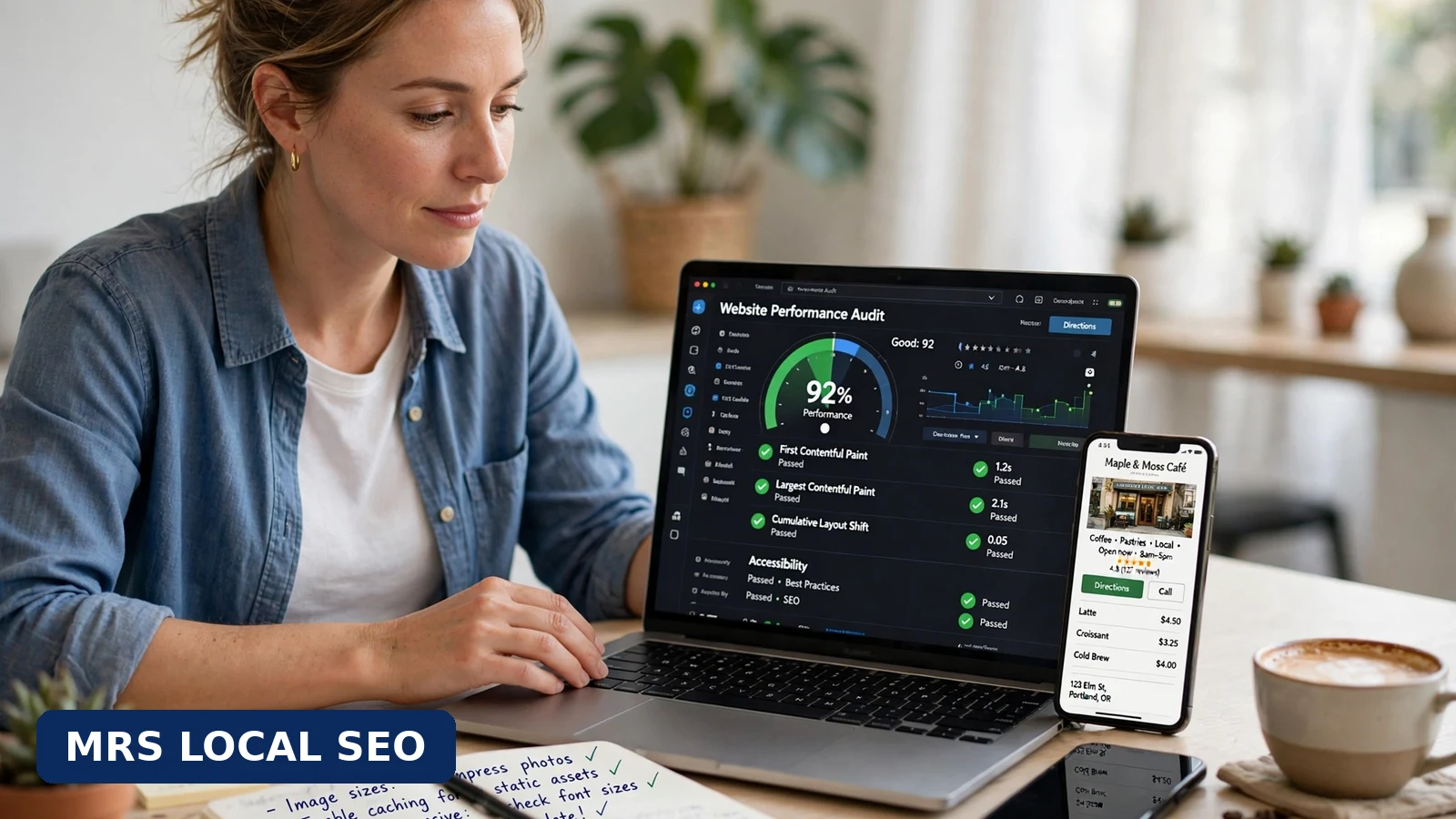
- A site that search engines can crawl and that loads well on phones
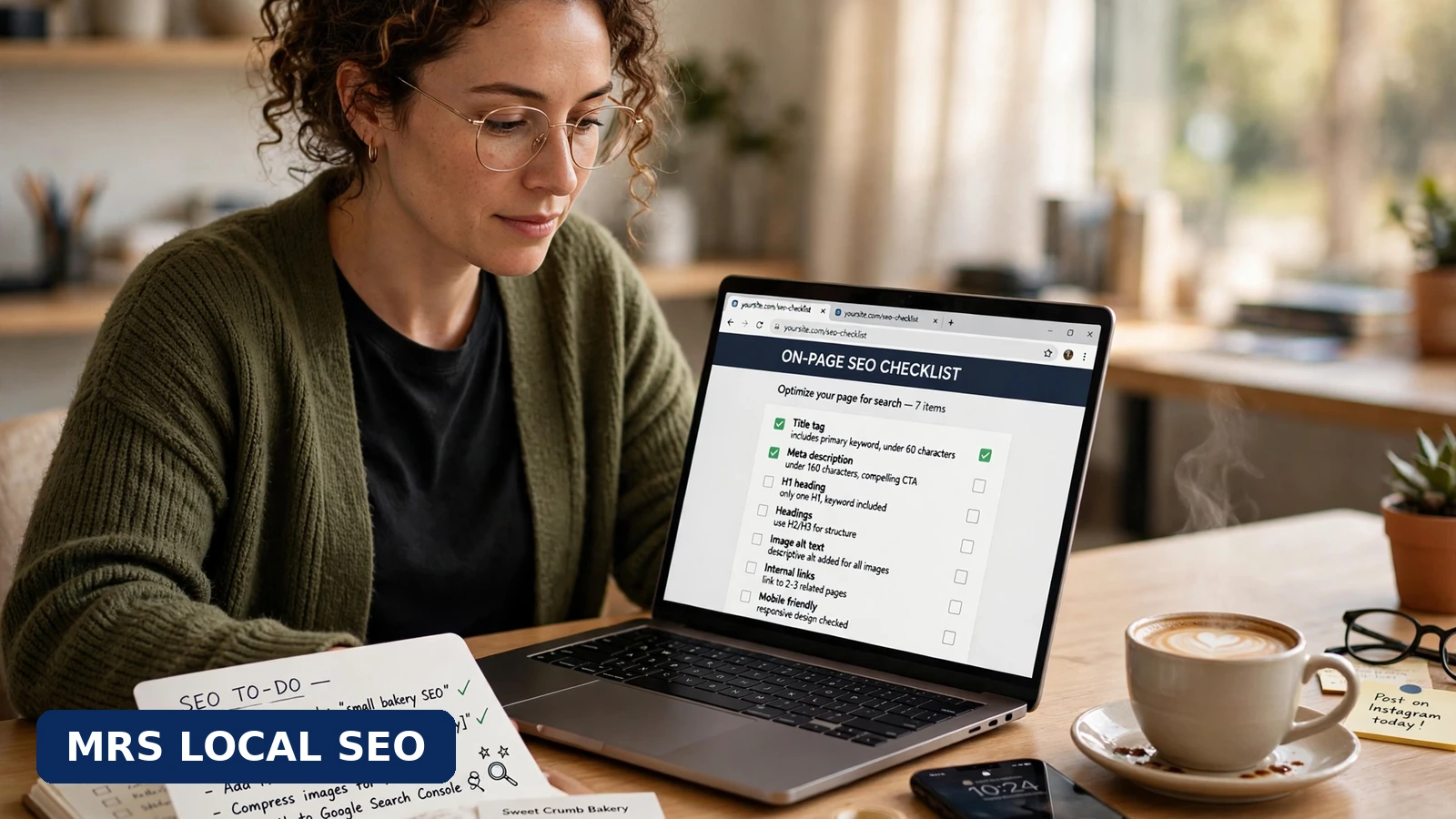
- Clear page titles and headings
- Links from other credible websites
Google’s guidance is consistent on one point. Its ranking systems are designed to prioritize helpful, reliable information created for people, and SEO is useful when applied to people-first content rather than content made mainly to chase rankings.
Hypothetical example: A bakery publishes an article on storing sourdough. A reader in another country can find it, and the page earns visibility through the quality of its content. Where the reader lives doesn’t matter.
What Is Local SEO?
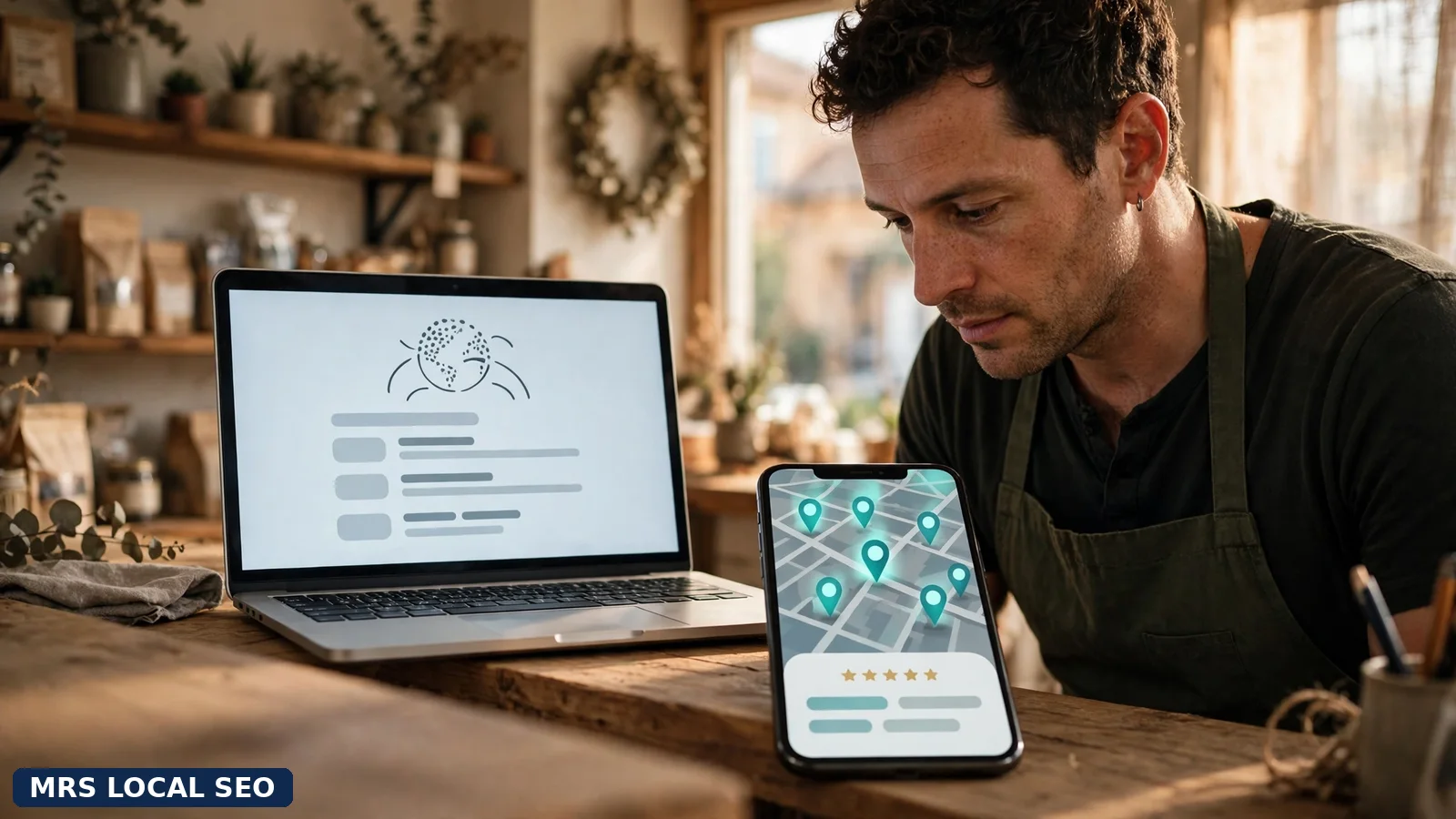
Local SEO, sometimes called local search optimization, is the work of making a business visible when people search for something nearby. That could be “dentist near me” or a service plus a town name. Google says that when someone searches for a business or place near their location, local results appear across Google in places like Maps and Search.
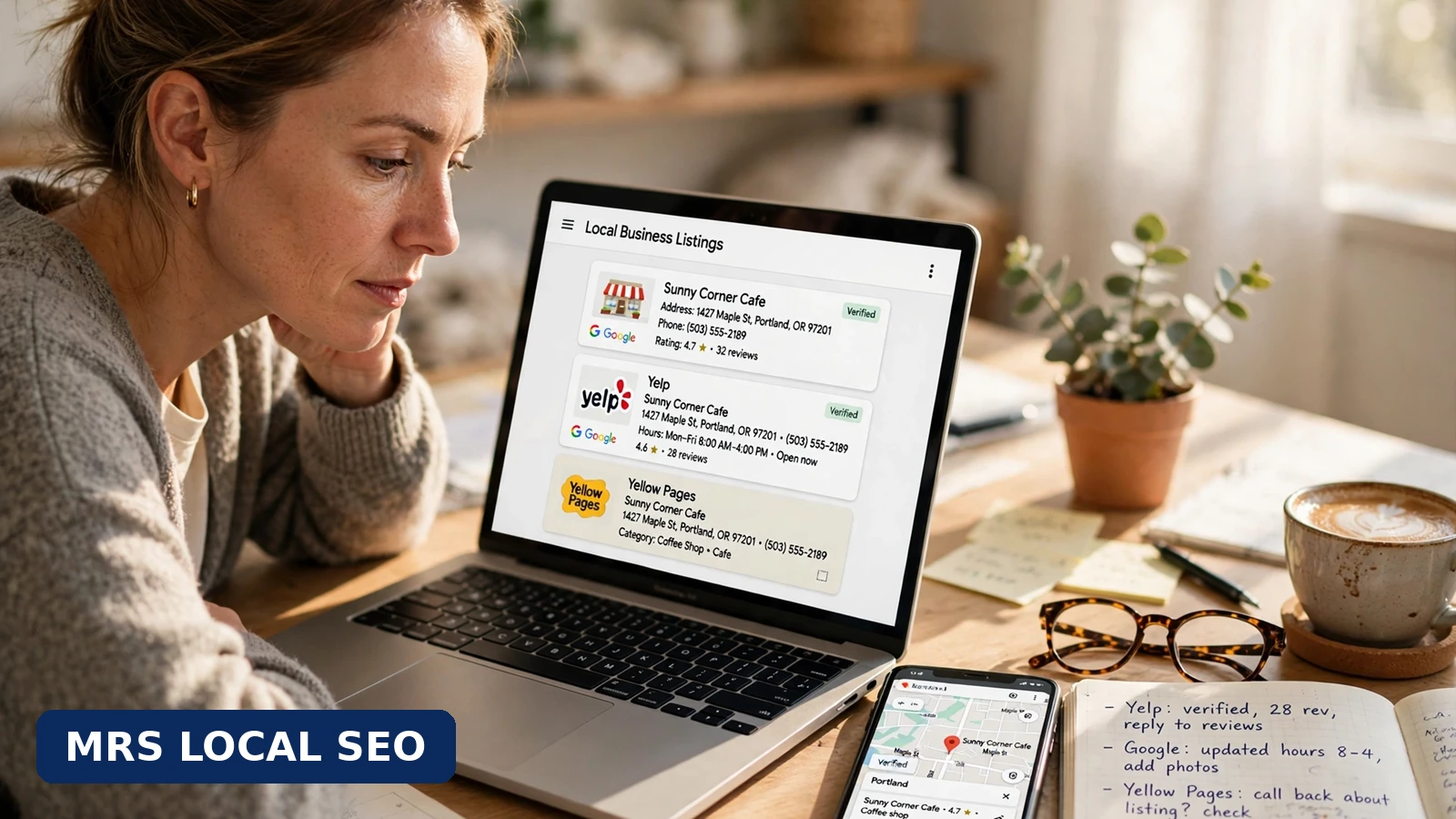
Google Business Profile sits at the center of this work. You may still see older articles call it Google My Business, which is the legacy term for the same product. Local SEO typically also involves:
- Accurate business details, often shortened to NAP (name, address, phone number)
- Customer reviews
- Local keywords on your website
- Consistent listings in online directories
- Sometimes LocalBusiness schema markup
For a fuller walk through the basics, see our guide, What Is Local SEO? A Complete Guide for Small Businesses.
Local SEO vs SEO: Side-by-Side Comparison
The table below summarizes the practical differences. The two disciplines overlap, so read each row as emphasis rather than a hard boundary.
| Traditional SEO | Local SEO | |
|---|---|---|
| Goal | Rank web pages in standard results | Get a business found in location-based searches and Maps |
| Search intent | Learning, researching, comparing; location often irrelevant | “Near me,” a place name, or a clearly nearby need |
| Ranking considerations | Content relevance and quality, links, technical health, page experience | Relevance, distance, and prominence, including Business Profile, reviews, and web presence |
| Key tactics | Content, internal linking, crawlability, site speed | Complete Business Profile, accurate business details, local keywords, review management, consistent listings |
| Where results appear | Standard organic results | Local pack, Google Maps, and local organic results |
| Who needs it | Any site that wants search traffic | Businesses that serve customers in person, at a location or in a service area |
Source note: The local ranking row reflects Google’s Business Profile Help page. The remaining rows are our professional summary, not Google-published definitions.
How Google Ranks Local Results
Google states that local results are based primarily on relevance, distance, and prominence, and that a combination of these factors helps it find the best match for a search. Here is what each means, based on Google’s own explanation.
- Relevance: How well a business listing matches what someone is searching for. Accurate, complete business information helps Google understand what you offer.
- Distance: How far each potential result is from the location used in the search. If the searcher doesn’t name a place, Google calculates distance from what it knows about their location.
- Prominence: How well known a business is. Google says this draws on information from across the web, such as links, articles, and directories. Review count and review score also factor into local ranking.
Two practical points follow. First, you can’t control distance, because you can’t move your customer. Second, Google’s help page doesn’t publish how much each factor weighs. Any “exact formula” or numbered ranking-factor list from a third party is opinion, and it shouldn’t be treated as an official Google rule.
Where Local SEO and Traditional SEO Overlap
The line between the two is blurrier than it first looks. In describing prominence, Google notes that a business’s position in web results is also a factor, so SEO best practices apply to local search. In other words, local SEO builds on traditional SEO rather than replacing it.
Your website does real work in both. It’s where you explain your services, prove you’re credible, and give people a next step. The profile gets customers to your door, and the website helps them decide to come in.
Two other points are worth knowing:
- Structured data: LocalBusiness structured data lets you tell Google about things like opening hours and departments. Treat it as a way to be clearer, not a ranking shortcut. Google doesn’t present it as one.
- AI features: Google says the same foundational SEO practices apply to AI Overviews and AI Mode, with no extra technical requirements beyond normal Search eligibility. Among its recommendations is keeping your Business Profile information up to date.
Local SEO vs SEO for Small Business: Which Do You Need in 2026?
If customers find you through nearby searches, local SEO is where most small businesses should start. If your business also depends on people researching before they buy, traditional SEO content adds to it. A quick way to decide is to answer four questions:
- Do you meet customers in person, at your location or theirs? If yes, local SEO is likely central. If you’re online-only, traditional SEO is the better fit.
- Do customers search with a place name or “near me”? If yes, local visibility should be your first priority.
- Do customers research before they buy? If yes, guides and comparison content support you through traditional SEO.
- Do you serve several towns or run more than one location? If yes, plan carefully, because each profile must meet Google’s eligibility rules.
Hypothetical examples:
- A two-person plumbing company that travels to customers’ homes should prioritize local SEO, with traditional SEO content as a supporting layer.
- A dental clinic with a street-front office needs strong local SEO, plus helpful pages on treatments that patients research beforehand.
- An online-only template shop is mainly a traditional SEO case.
Serving an area vs. having a staffed location
Google draws a clear line here. Service area businesses are those that serve customers at their locations. They should have one profile for their central office or base, with a designated service area. Google says that service area shouldn’t extend farther than about two hours of driving time from where the business is based, though larger areas may suit some businesses.
Eligibility has limits worth respecting:
- A virtual office isn’t acceptable for a service area business unless it’s staffed during business hours.
- P.O. boxes and mailboxes at remote locations aren’t acceptable.
- If you serve customers at your address, that location should be staffed by your team and able to receive customers during your stated hours.
- A pure service area business should hide its address from customers.
Listing a fake location or a misleading address is never a shortcut. It violates Google’s guidelines and puts your profile at risk. If you’re unsure whether your setup qualifies, check the guidelines for representing your business on Google before you start.
Common Misconceptions
- “Local SEO replaces regular SEO.” It doesn’t. Google itself says SEO best practices apply to local search.
- “More directory listings guarantee a better ranking.” Google says prominence draws on information from across the web, including directories. It doesn’t publish how much any single source counts.
- “Schema markup boosts rankings.” Structured data helps Google understand a page. It isn’t documented as a ranking boost.
- “Rank #1 and the job is done.” Rankings shift with where the searcher is, because distance is part of the equation. A ranking is a means, not the business result.
Practical Tips Before You Spend Money
These are professional recommendations, not Google rules:
- Keep your business name, address, phone number, hours, and services identical across your Business Profile, website, and major listings.
- Make sure the services and areas on your website match what your profile says.
- Measure outcomes such as calls, direction requests, and form enquiries, not just position.
- Prefer Google’s documentation over third-party ranking-factor lists, and treat anything that promises a guaranteed position as a warning sign.
Frequently Asked Questions
What is the difference between local SEO and traditional SEO?
Traditional SEO improves how well your website ranks in standard search results. Local SEO improves how visible your business is for location-based searches, especially in Google Maps and the local pack. The two overlap, because Google says web ranking position is also a factor in local ranking.
How long does local SEO take to show results?
There’s no fixed timeline, and no one can honestly guarantee one. Google doesn’t publish a standard timeframe, and results depend on local competition, the state of your profile and website, and your review history. As a rule of thumb from professional practice (not a Google figure), plan to review progress over several months rather than days.
Can I do local SEO myself or should I hire an expert?
Many owners can handle the fundamentals themselves: keeping business information accurate, completing a profile, and replying to reviews. Consider outside help if you have multiple locations, face fierce competition, run into eligibility problems, or simply lack the time. If you’d like support, you can explore our local SEO services.
Will local SEO services improve my Google ranking?
They can improve your visibility in local results when the work fixes real gaps, such as incomplete information or a weak web presence. However, nobody controls Google’s rankings, and no provider can guarantee a specific position. Ask any provider to explain what they’ll do and how they’ll measure success.
Is Google My Business the same as Google Business Profile?
Google My Business is the older name for what Google now calls Google Business Profile. Many older articles and tools still use the legacy term, but current Google help pages use Business Profile.
Conclusion
Traditional SEO makes your website easier to find and trust. Local SEO makes your business easier to choose when someone nearby is ready to act. For most small businesses that serve a defined area, the sensible order is to get your local foundations right first, then build content that supports them.
A realistic next step is to check your Business Profile against Google’s guidelines, confirm your details match across the web, and read our guide to local SEO for small businesses. If you’d prefer expert help, our Local SEO services page is the best place to start.
Sources
- Google Business Profile Help: How to improve your local ranking on Google
- Google Business Profile Help: Guidelines for representing your business on Google
- Google Search Central: Creating helpful, reliable, people-first content
- Google Search Central: AI features and your website
- Google Search Central: Local business structured data