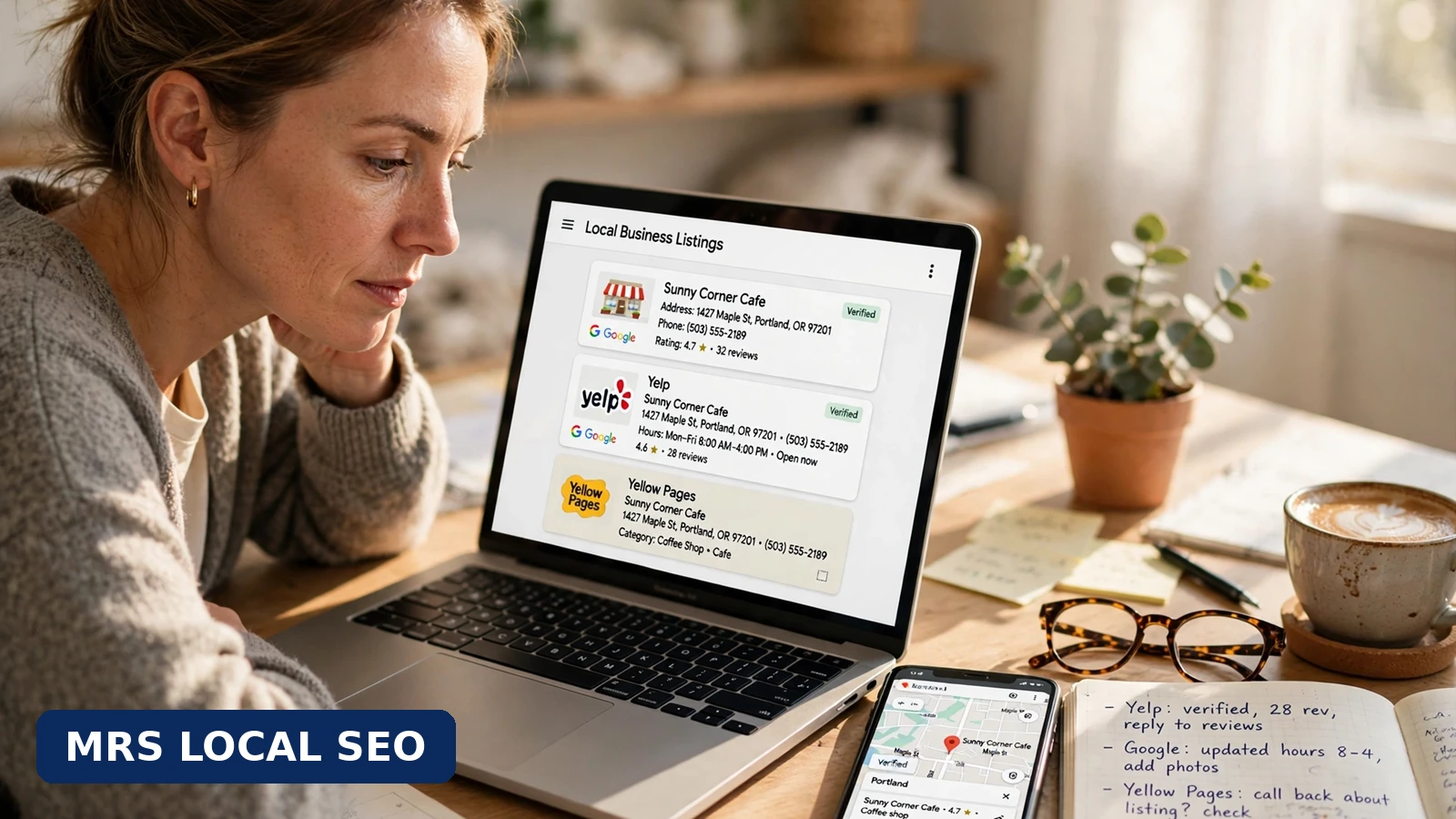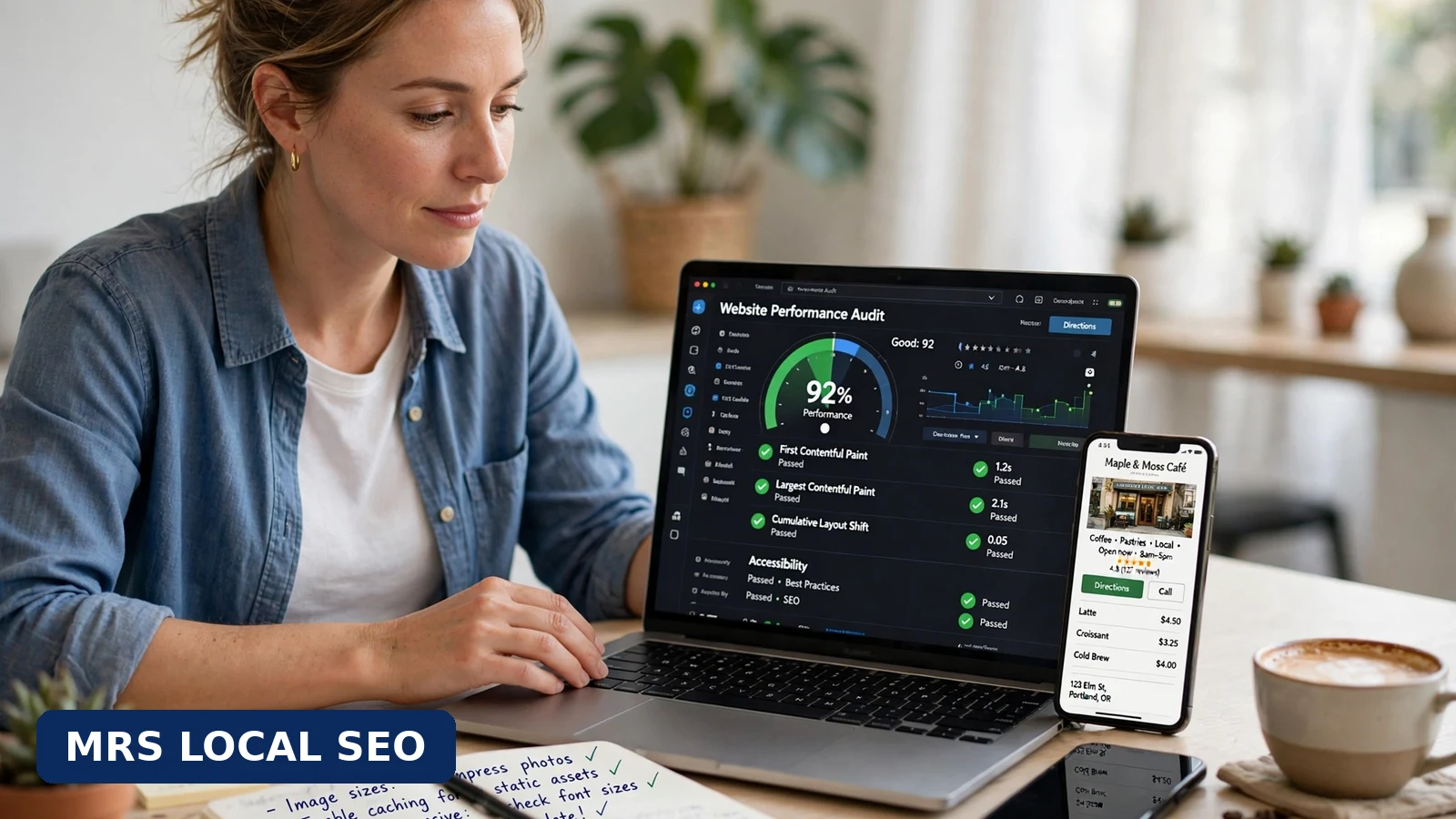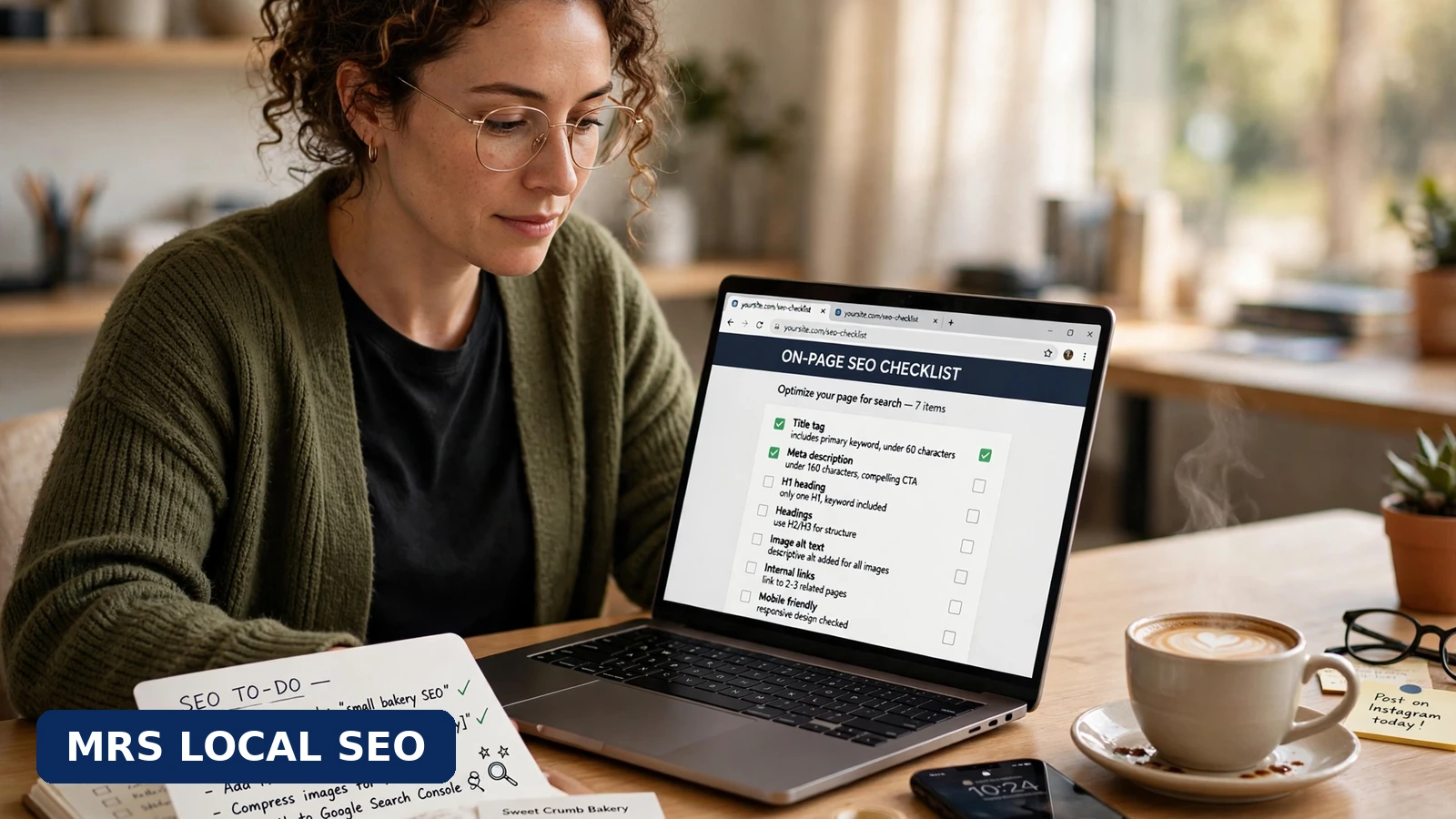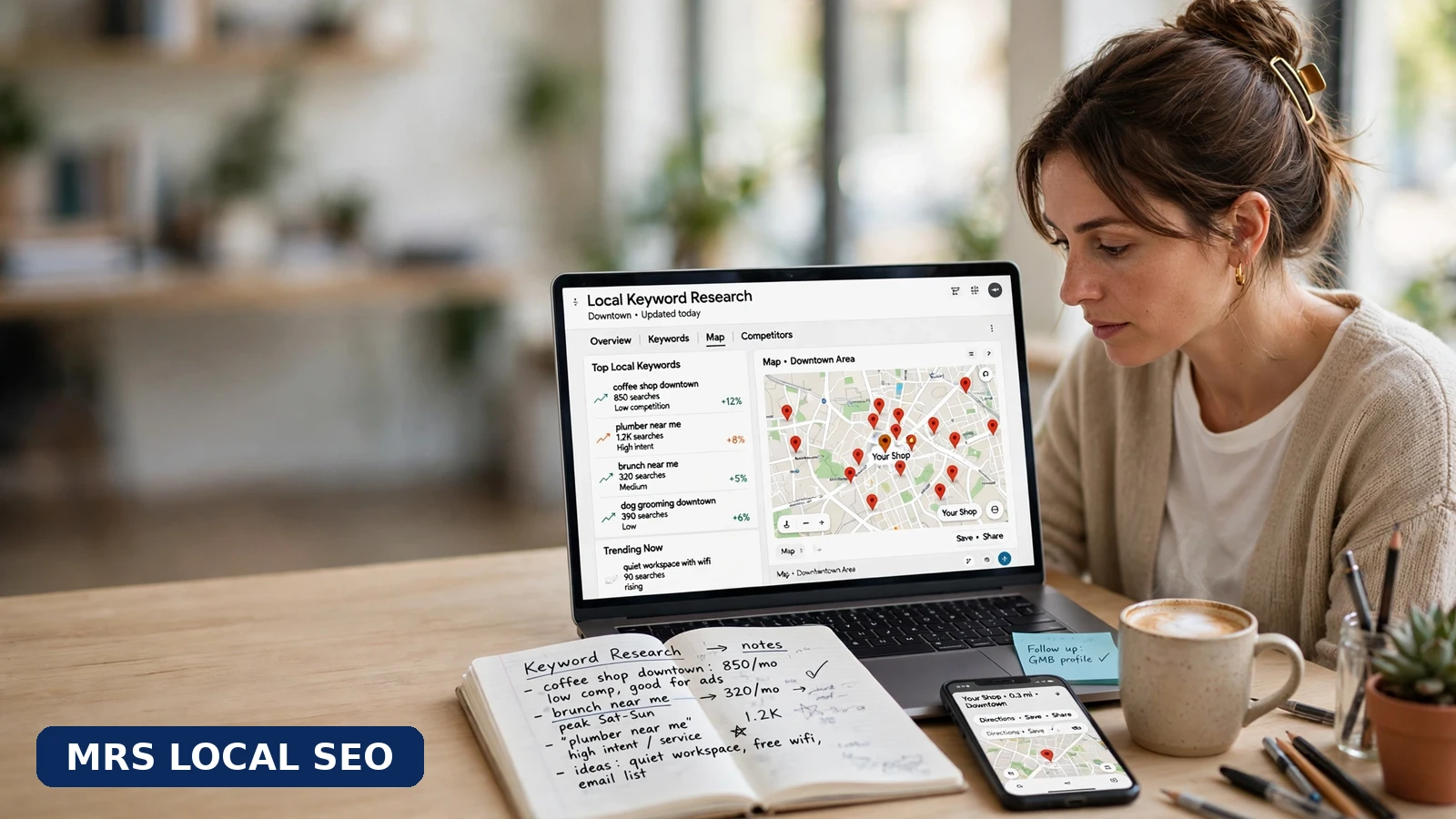


The top citation sites for a local business, in the order to build them: Google Business Profile first, then the data aggregators (Data Axle, TransUnion Digital Business Profile, Foursquare), then Apple Business Connect, Bing Places, Yelp, Facebook and the Better Business Bureau. After those, add two or three industry directories and a few local or chamber listings. Keep your name, address and phone number identical on every one.
This guide explains what each group is, who it suits, and where a small business should start. It is a prioritised shortlist, not a directory-by-directory submission manual. For the basics, read our companion guide, What Are Local Citations and Why Do They Matter?
What Makes a Citation Site Worth Listing On?
A citation site is worth your time when it is real, relevant, actually used by customers, and able to display your business name, address and phone number (NAP) accurately. A listing that fails any of those tests adds maintenance work without adding value.
Google’s own help page says prominence draws on information “from across the web,” including links, articles and directories, alongside review count and score. Local results are based mainly on relevance, distance and prominence (Google Business Profile Help: How to improve your local ranking). Google does not publish a weighted list of which directories count most. Treat any “top citation sites” ranking, including this one, as professional judgement built on that principle.
Before you submit anywhere, ask four questions:
- Does a real person in your area, or in your trade, use this site?
- Does it show your NAP clearly, and can you edit it later?
- Is it free, or does the cost make sense for what you get?
- Would you be comfortable if a customer found this listing?
If a site fails the first question, skip it. This is the main reason prioritisation beats volume. Ten correct, relevant listings help more than a hundred stale or irrelevant ones, and duplicates carrying old details can do active harm.
Which Data Aggregators Come First?
In the United States, the aggregators most guides name are Data Axle (formerly Infogroup), TransUnion Digital Business Profile (formerly Neustar Localeze) and Foursquare. These companies hold business records that many downstream directories, apps and navigation services draw from. One correct record can help fix many listings. One wrong record can spread the wrong details widely.
Two cautions apply. Older articles list four aggregators, including Acxiom and Factual, but industry sources I reviewed say Acxiom retired its directory products and Factual merged into Foursquare. Also, these companies change names and sign-up flows, and I could not find an official source that lists exactly who feeds whom. Check each company’s current submission page, and treat the downstream-reach claims you see online as vendor or industry statements, not Google documentation.
For a small business, the practical step is simple. Search for your business on each aggregator’s own site, then claim or correct the record. Do this early, because fixing a directory while an aggregator still holds your old address means the old address can come back.
Why Is Google Business Profile the Anchor Listing?
Google Business Profile is the one listing every eligible local business needs before anything else, because it is the profile Google itself shows in Maps and the local pack. Verifying it tells Google you are authorised to represent the business, but Google notes that verification does not guarantee you will appear in search (Google Business Profile Help).
Get these right first:
- Name: use your real-world business name as it appears on signage and stationery. Adding keywords or taglines is not permitted and can lead to suspension (Google’s guidelines for representing your business).
- Address: use a real, staffed location. P.O. boxes and unstaffed virtual offices are not acceptable.
- Service area: if you travel to customers and have no storefront, set a service area and hide the address. Google says the area should not extend much beyond about two hours of driving time.
- Phone and website: use the same number and URL you will use everywhere else.
Never invent a location to look closer to customers. For deeper walkthroughs, see GBP optimization vs. GBP management and how often to update your profile.
Which General Directories Are Worth Having?
A handful of well-known general listings are worth claiming because real people use them. Each suits a slightly different purpose.
- Apple Business Connect: free, and controls how your business appears in Apple Maps, Wallet and other Apple apps. Valuable because Apple Maps is the default on iPhones.
- Bing Places for Business: free, and you can import details from a verified Google Business Profile. It is the fastest low-risk win after Google.
- Yelp: a review platform and a directory in one, especially strong for restaurants, home services and personal services.
- Better Business Bureau: a basic business profile is a recognisable trust signal. Accreditation is a separate, paid decision, so evaluate it on its own merits.
- Yellow Pages-style directories: only worth it if your customers still use them, and they are often fed by aggregators anyway. Check before paying.
Terms and fees change, so confirm current pricing on each site before committing.
How Do Industry-Specific Directories Help?
Industry directories punch above their weight because a listing where customers already search for your trade carries relevance a general directory cannot match. Pick two or three, not twenty.
Examples by trade (verify each is still active and relevant in your area before listing):
- Home services: Angi, Houzz, HomeAdvisor-style marketplaces.
- Health: Healthgrades, Zocdoc, insurer provider directories.
- Legal: Avvo, Martindale, state bar directories.
- Food and hospitality: TripAdvisor, OpenTable, local dining guides.
A good test: search for your service in your city and see which directories appear repeatedly. Those are the ones customers and search engines already treat as relevant.
What About Local Directories and Chambers of Commerce?
City, county and chamber of commerce listings show search engines that the business belongs to its area, not just that it claims an address there. They also tend to be harder to fake, which is part of their value.
Look for your local chamber of commerce, downtown or merchant associations, city or county business directories and local news or community sites with business pages. Some charge membership dues. Judge those by what you get beyond the listing, such as networking, referrals and events. A free listing on a genuine community site is worth more than a paid one on a site nobody visits.
Which Review Sites and Social Profiles Count as Citations?
Review sites do double duty. They carry your NAP like any citation, and they add the reviews that shape prominence and trust. Yelp, Facebook and industry review sites all fit here. Collect reviews honestly, and never buy, trade or fabricate them.
Social profiles count as citations too. A Facebook or LinkedIn page with the same NAP reinforces your details, while a mismatched one creates the same confusion as a wrong directory listing. Keep the ones you will actually maintain, and skip the rest. An abandoned profile with an old phone number is a liability.
How Should You Prioritise the List?
Build in this order: core listings, then aggregators, then industry, then local. Here is the shortlist in scannable form.
Table: Citation sites by priority, who each suits, and what to check.
| Site or category | What it is | Best for | What to check |
|---|---|---|---|
| Google Business Profile | Listing shown in Maps and local pack | Every eligible business | Real name, staffed address or hidden service area |
| Data Axle, TransUnion, Foursquare | Data aggregators | Every business | Correct, current record on each |
| Apple Business Connect | Apple Maps place card | Every business with customers on iPhone | Verification, hours, category |
| Bing Places | Microsoft’s listing platform | Every business | Import from Google, then review |
| Yelp | Directory plus reviews | Consumer-facing services | Duplicates, review policy |
| Facebook / LinkedIn | Social profiles with NAP | Businesses that will maintain them | Same NAP as website |
| Industry directories | Trade-specific listings | Home, health, legal, food | Customers actually use it |
| Local and chamber sites | City or community listings | Everyone with a physical area | Free vs. paid; relevance |
This table reflects professional judgement and the sources linked above, not a Google-published ranking.
How many does a small business realistically need? My judgement is that 15 to 30 well-chosen, accurate listings cover most small businesses, but that is a rule of thumb, not a documented requirement. Quality and consistency matter far more than the count.
How Do You Submit Listings and Keep NAP Consistent?
Decide on one canonical version of your name, address, phone number and website, write it down, and copy it exactly everywhere. Small differences (“Street” vs. “St.”, a tracking phone number on one site only) create the inconsistency you are trying to avoid.
- Write your NAP master record and match it to your Google Business Profile.
- Search before you submit. Look for existing or duplicate listings and claim them rather than creating new ones.
- Submit in priority order (see the table).
- Log every listing in a spreadsheet with the URL, login and date checked.
- Request edits or removal when a site won’t let you edit. Most directories have a “report a problem” or support form. If a site ignores you, correct the aggregator that feeds it and move on.
What Does This Look Like in Practice?
This is a hypothetical example, not a client result. Imagine a plumber, “Maple Ridge Plumbing,” that moved offices two years ago. Its citations are a mess.
| Citation area | The problem | The fix | Result |
|---|---|---|---|
| Google Business Profile | Old address | Update and re-verify | Correct anchor listing |
| Aggregators | Old address on file | Correct all three records | Stops bad data returning |
| Yelp | Duplicate with old phone | Claim one, report the other | One accurate profile |
| Bing / Apple | Not claimed | Claim and complete | Two new correct listings |
| Industry directory | None | Add one plumbing directory | Relevant new listing |
| Chamber of commerce | None | Join and list | Local proof of belonging |
Change by change, the business moves from scattered, conflicting data to one consistent record. Whether that improves rankings depends on competition and many other factors, so no outcome is guaranteed.
What Mistakes Should You Avoid?
- Inconsistent NAP. The most common problem and the easiest to prevent.
- Duplicate listings. Old records with outdated details compete with your correct one.
- Irrelevant or low-quality sites. If no customer would ever see it, skip it.
- Paying for hundreds of listings that add nothing. Be wary of “submit to 500 directories” offers.
- Keyword-stuffed business names. Google says this can lead to suspension.
- Fake reviews or fake locations. Both violate Google’s policies and put your profile at risk.
For a broader checklist, see The Complete Local SEO Checklist for 2026, and use How to Do a Local SEO Audit Step by Step to find existing inconsistencies. For the wider picture, start with What Is Local SEO?
Should You Do It Yourself or Hire Help?
A first citation check, meaning searching your name, phone and old addresses and noting what you find, typically takes a few hours for a single-location business. That is an estimate, not a benchmark. Doing it yourself works well when you have one location, stable details and time to track listings. Hiring help makes more sense with multiple locations, a recent move or rebrand, many duplicates, or no time to maintain the log. Either way, keep the master NAP record and the spreadsheet.
How Long Until You See Results, and What Should You Measure?
Citation work is foundational, not instant. Aggregator and directory changes can take weeks to appear, and any ranking effect is mixed in with reviews, your website and competitors. Treat any promised timeline with suspicion. Realistically, expect to look for correct listings within weeks and for gradual visibility trends over a few months.
Month by month, track:
- Number of correct listings versus your target.
- Duplicates found and resolved.
- Profile views, calls and direction requests from your Google Business Profile.
- New reviews and your rating.
Tool scores and volume estimates are prompts to check, not verdicts.
Frequently Asked Questions
What are citation building sites?
Citation building sites are directories, platforms and websites where your business name, address and phone number can be listed. Examples include Google Business Profile, Yelp, Apple Business Connect, industry directories and chamber of commerce pages. They help search engines and customers confirm your business details.
How long does citation-related work take to show results?
There is no guaranteed timeline. Listings can go live within days to weeks, and aggregator updates may take longer. Any effect on visibility is gradual and shared with other factors, so measure over several months rather than expecting quick changes.
Can I do citation building myself or should I hire an expert?
You can do it yourself if you have one location, stable details and time to track listings. Consider help if you have several locations, a recent move or rebrand, or many duplicates. The key is the same either way: one accurate master record and a log you keep updated.
How does citation building affect my Google ranking?
Google says local ranking is based mainly on relevance, distance and prominence, and prominence draws on information from across the web, including directories (Google Business Profile Help). Google does not say how much any single citation counts, so treat citations as one supporting factor, not a guarantee.
Do I need to pay for citation building sites?
Not for the core ones. Google Business Profile, Apple Business Connect and Bing Places are free, and many aggregators and directories offer free basic listings. Pay only when a specific site has real, relevant users and clear value.
Conclusion
The best citation sites are not the longest list. They are the right few, built in the right order, with identical details everywhere. Start with Google Business Profile, fix the aggregators, claim Apple and Bing, add one or two industry directories and a local listing, and keep a log so you can maintain them.
If you want a second pair of eyes on your listings, the citation building sites resources at MRS Local SEO are a natural next step, and Local SEO Case Study: How We Helped a Business Rank #1 shows how a structured approach can look in practice.
Sources
- Google Business Profile Help, How to improve your local ranking on Google
- Google Business Profile Help, Guidelines for representing your business on Google
- Apple, Apple Business Connect
- Bing Places for Business, Microsoft
- Aggregator names and status: industry guides reviewed in November 2026; no official aggregator source was available to verify downstream reach.